The black market represents an underground economy where illegal goods and services are traded outside of government regulation. The trade of black market drugs and guns has reached alarming proportions, contributing to a range of societal issues including violence, addiction, and crime. This article explores the intricate dynamics of these two intertwined markets, their impacts, and the ongoing battle to combat them.
“It allows people to get what is essentially a frame of a firearm sent to them; technically, it is just a part. Chianese said that, with regards to where guns are stolen from, the answer is easy. Some 12 percent of weapons found on a crime scene had been brought there by someone else. On average, just under 40,000 people each year die across the country in a gun-related death. But what rarely makes a blip on the news cycle are the individual acts of gun violence that permeate the social fabric – with almost 500,000 violent crimes committed with a gun annually, according to the National Institute of Justice.
“Illegal gun dealers, like other criminals, are drawn to the dark web because it allows them to operate anonymously. And then there is the dark web, which enables users to anonymously shop for illicit goods. While it varies depending on location, a handgun that might cost a couple of hundred dollars retail in Florida might then cost a couple of thousand dollars on the much more stringently gun-controlled streets of New York City. But criminals want this for easy access; to have all the parts mailed to them, so they build a gun in their basement.” “Statistics show that those individuals committing ‘mass killings’ during ‘active shooter’ events do so utilizing weapons that have been obtained legally by themselves or a friend or family member,” observed Charles Marino, CEO of Sentinel Security Solutions. A recent national survey of prison inmates aged 18 to 40, published by Preventative Medicine, found that only one in 10 bought the firearm involved in the act that resulted in them being jailed.
Black Market Drugs Guns
Defining the Black Market
At its core, the black market is defined by its secrecy and illegality. Black market drugs encompass a wide range of illicit substances, from narcotics to prescription medications sold without prescriptions, while guns might include firearms obtained without proper licenses or permits. Both elements thrive in environments where customers are eager for access to restricted items and where law enforcement struggles to keep pace.
The Drugs Trade
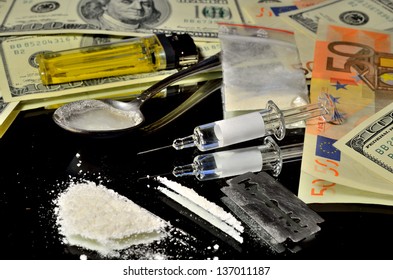
The black market drugs industry is vast and varied. It generates billions of dollars annually, fueling economies both locally and globally. Addictive substances such as heroin, cocaine, and methamphetamine dominate the scene, often transported across borders with little regard for human life. The proliferation of these drugs has devastating consequences for communities, leading to increased crime rates and public health crises.
Guns and Violence
Similarly, the illegal trade of guns creates a dangerous nexus with the drug trade. Criminal organizations frequently use firearms to protect their interests and territory. This confluence of black market drugs and guns contributes to widespread violence, making certain urban areas perilous for residents. The trafficking of guns often interlinks with the supply chains of drugs, illustrating how both elements support and exacerbate one another.
Impact on Society
The ramifications of the black market drugs guns trade extend beyond immediate violence and addiction. Families are torn apart, communities suffer from increased crime, and public resources are drained as law enforcement attempts to curb this illegal activity. Health services are overwhelmed by addiction crises, while legal systems are inundated with cases stemming from the crimes committed in pursuit of these illicit goods.
Efforts to Combat Black Market Activities
Various strategies have been employed by governments and organizations worldwide to address the issues posed by black market drugs and guns. Prevention programs aimed at education on the dangers of drugs have been implemented, along with harsher penalties for those involved in the illegal gun trade. International cooperation is also essential, as drug and arms trafficking often transcends borders, necessitating a coordinated response to dismantle the networks involved.
The Road Ahead
- With a membership of thousands of manufacturers, distributors, firearm retailers, shooting ranges, sportsmen’s organizations and publishers, our industry’s voice is strong.
- It estimated a quarter of all purchases were for resale and that the trend towards decentralization meant they are unlikely to be eliminated any time soon.
- From untraceable 3D-printed weapons to sophisticated smuggling networks, the black market for guns operates on a scale that is difficult to measure but impossible to ignore.
- In 2000, the Organization for Security and Co-operation in Europe (OSCE) started on regional solutions and security measures to address the firearms trafficking problem.
While progress is being made in fighting the black market, the road ahead is fraught with challenges. Continuous demand for black market drugs and guns will likely provoke new strategies from organized crime, complicating enforcement efforts. Comprehensive education, community engagement, and policy reform are critical components in the ongoing struggle to minimize the social impacts of these illicit trades. Long-term solutions require a multifaceted approach that goes beyond law enforcement to include community restoration, mental health services, and economic opportunities for those affected by this nexus of crime.
In conclusion, the interplay of black market drugs and guns poses significant challenges for society. Addressing these issues requires a united effort that encompasses all sectors of the community. Only through persistent and strategic actions can the tides of this troubling underground economy be turned.