The dark deep web represents a hidden segment of the internet, shrouded in mystery and often misconceived. It is an area that goes beyond the surface web, which includes the websites most users access on a daily basis. The dark deep web is often associated with illicit activities; however, it also serves various purposes for privacy and free speech. This article will delve into the intricacies of the dark deep web, its features, and its implications.
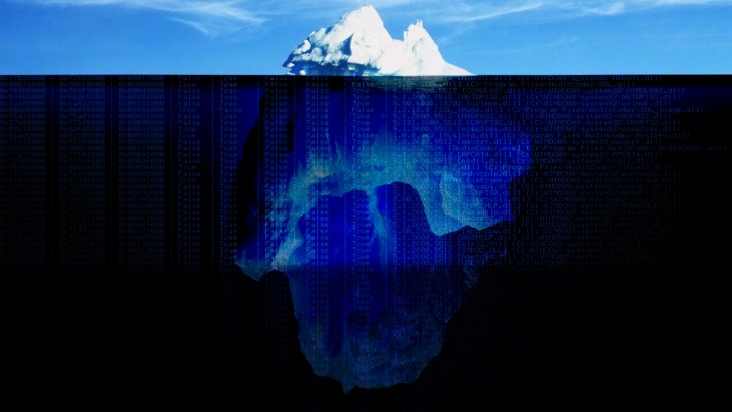
Even one of the best search engines, called Grams, returns results that are repetitive and often irrelevant to the query. Dark web search engines exist, but even the best are challenged to keep up with the constantly shifting landscape. The dark web is a subset of the deep web that is intentionally hidden, requiring a specific browser—Tor—to access, as explained below. Only a tiny portion of the internet is accessible through a standard web browser—generally known as the “clear web”.
However, it's up to us to take control of our personal privacy in a world of bulk data collection, surveillance, and personalized ad tracking. Countries such as China (and its famous "Great Firewall" blocks) may monitor citizens at the Internet Service Provider (ISP) level; if you are using Tor, the usage alone may appear in your records. DefCon, ProPublica, the CIA, various libraries, and open-source software providers also feature in this area of the internet. To access a dark web resource, you will need to know its web address to the letter.
Dark Deep Web
The dark deep web is part of the larger deep web, which encompasses all unindexed online content. Notably, the dark web is only accessible through specific software, most commonly Tor, which allows users to remain anonymous. This anonymity can be both a shield and a sword, protecting users from surveillance while also enabling illegal activities.
Characteristics of the Dark Deep Web
- Weekly cybersecurity newsletter covering security incidents, AI, and leadership
- Hot water rises, carrying these minerals to the surface of the sea floor.
- The darknet encryption technology routes users' data through a large number of intermediate servers, which protects the users' identity and guarantees anonymity.
- If you need to access dark web resources, these are the steps you need to take.
- Prior to joining CrowdStrike, Baker worked in technical roles at Tripwire and had co-founded startups in markets ranging from enterprise security solutions to mobile devices.
- Anonymity: The dark deep web provides a layer of anonymity for users and website operators alike. This can protect whistleblowers, activists, and others wanting to communicate without fear.
- Cryptocurrency Usage: Transactions on the dark deep web often utilize cryptocurrencies, further adding to the difficulty of tracing activities.
- Unregulated Content: Users can find a variety of content, from private forums to illegal marketplaces selling drugs, weapons, and stolen data.
- Privacy Tools: Various tools and platforms are designed to enhance user privacy, allowing for secure communication and data sharing.
Common Uses of the Dark Deep Web
While the dark deep web is notorious for illicit activities, it has other significant uses:
- Whistleblowing: Platforms like SecureDrop allow journalists to receive information anonymously from whistleblowers.
- Political Activism: In authoritarian regimes, activists use the dark web to bypass censorship and communicate securely.
- Forums and Communities: Niche communities often form around topics difficult to discuss on the surface web.
Risks and Challenges
Engaging with the dark deep web comes with inherent risks:
- Legal Consequences: Many activities found on the dark deep web are illegal, and engaging with them can result in severe legal repercussions.
- Scams and Fraud: Due to the lack of regulation, users are often targeted by scams and fraudsters.
- Malware Risks: Many dark web sites are laden with malicious software that can compromise user devices.
FAQs about the Dark Deep Web
- Tor browser and Tor-accessible sites are widely used among the darknet users and can be identified by the domain ".onion".
- There are also many tools that can be use to monitor the dark web and scan for personally identifiable information and even respond to attacks.
- With a reputation for hosting explicit content that often skirts legal boundaries, the Dark Web's porn scene offers a unique and controversial glimpse into the darker side of human nature and online behavior.
- These dark web sites won’t put your data at risk, your device in harm’s way, or you in hot water.
What distinguishes the dark web from the surface web?
The surface web is easily accessible and indexed by search engines, while the dark web requires specific software for access and contains unindexed content.
Is the dark web illegal?
Accessing the dark web is not illegal; however, many activities conducted there are illegal, such as drug trafficking or the sale of stolen data.
Can I access the dark web safely?
While tools like Tor can enhance anonymity, engaging with the dark web always carries risks. Users should take precautions and understand the potential dangers involved.
What are some legitimate uses of the dark deep web?
The dark deep web can be used for whistleblowing, activism, and communication among individuals in regions with heavy internet censorship.
Understanding the dark deep web provides valuable insight into this often-misunderstood part of the internet. While it can host nefarious activities, it also serves vital roles in privacy and free expression. Users should approach it with caution, armed with knowledge about its potential risks and rewards.