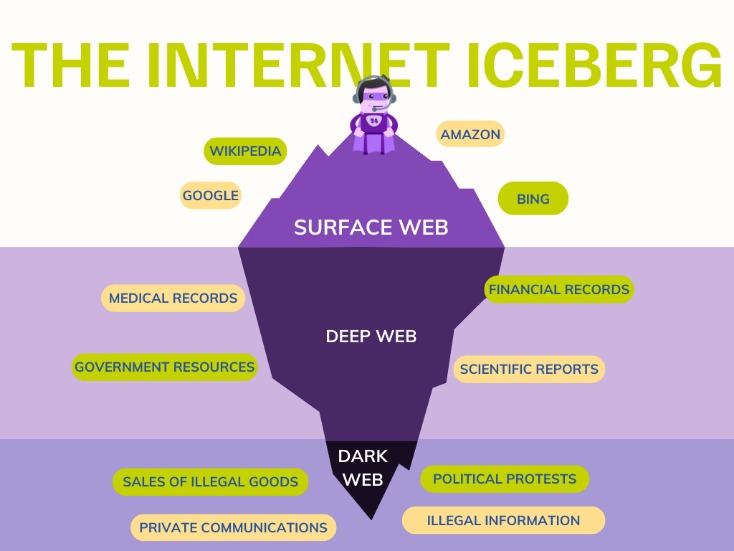
The dark web is a part of the internet that is not indexed by traditional search engines, making it a unique realm that is often associated with anonymity, privacy, and, at times, illegal activities. Understanding how to browse the dark web safely and responsibly is essential for anyone curious about this hidden side of the internet. While it is often shrouded in secrecy and myths, accessing the dark web can provide valuable insights and resources if navigated carefully.
If a breach is detected, BreachGuard will notify you right away and help you take the steps you need to secure your data immediately. Change your passwords and watch out for suspicious activity on your credit reports. Cybersecurity teams comb through these breaches and incorporate their findings into their security software, helping people like you. Your information might be on the dark web if it was exposed in a data breach, sold, or stolen by hackers. Lack of regulation by authorities or other users makes it easy for cybercriminals to carry out scams. The dark web can certainly be dangerous — with no regulation, it’s a riskier place to hang out than the surface web.
Browse The Dark Web
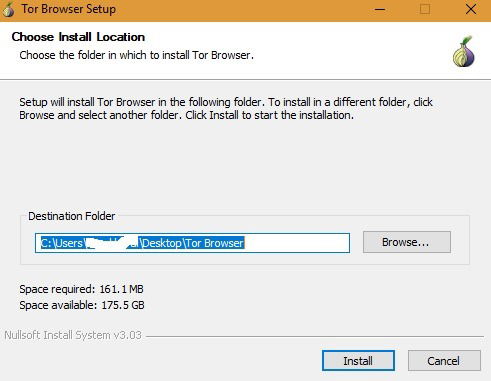
These high levels of anonymity increase the opportunity for the “bad guys” to sell drugs, stolen IDs, credit cards, weapons, and many more compromised products or information. It’s no secret that the dark web can be a tricky and dangerous place for the general internet user. Simply download the file, install the software, and you’re ready to use its web-based interface.
Dark web sites use encryption software so their visitors and owners can remain anonymous—it’s why the dark web is home to so much illegal activity. While the dark web can be a helpful tool for sourcing legitimate products or ensuring private communication, it’s also a hotspot for illegal internet activity. The dark web is a part of the internet consisting of hidden sites that aren’t indexed by conventional search engines. Instead, you often have to consult directories to find lists of legitimate sites and visit and access them that way or use special dark web-friendly search engines.
To successfully browse the dark web, users need specific tools and knowledge. Here are the necessary steps to ensure a safe experience:
Required Tools
- Tor Browser: This is the most commonly used tool for accessing the dark web. It enables anonymous browsing by routing your connection through multiple servers (called nodes).
- VPN (Virtual Private Network): Using a VPN adds an extra layer of security, masking your IP address and encrypting your internet connection, further protecting your privacy.
- Secure Operating System: Consider using an operating system designed for privacy, such as Tails or Qubes, to minimize risks while browsing the dark web.
Steps to Browse Safely
- Install the Tor Browser or another secure browser while ensuring your VPN is active.
- Be aware of the websites you visit. Stick to .onion domains, as these are specific to the dark web.
- Do not reveal personal information under any circumstances.
- Be cautious about downloading files, as they may contain malware.
- Practice good cybersecurity hygiene, including regularly updating your tools and using strong, unique passwords.
Common Activities on the Dark Web
Many users choose to browse the dark web for various reasons, including:
- Access to forums discussing privacy and security.
- Finding whistleblower platforms for reporting unethical practices.
- Engaging in discussions surrounding controversial topics or political activism.
- Researching cryptocurrencies or alternative financial systems.
FAQs About Browsing the Dark Web
Q: Is it illegal to browse the dark web?
A: Browsing the dark web itself is not illegal; however, accessing illegal content or engaging in illegal activities is against the law.
- Let’s be honest, the dark web is infamous for its criminal marketplaces, where you can find almost anything illegal for sale.
- RussianMarket specializes in the sale of “logs”, CVVs, dumps and RDP access.
- Without a VPN, your ISP sees Tor usage and can flag you for monitoring.
- By default, Tor has ‘Standard’ level set for the security; you’d want to set it to ‘Safest.’
- In 2008, the first Tor Browser was released, making it easier for any internet users to access the dark web.
Q: Can law enforcement track users on the dark web?
A: While the dark web offers anonymity, law enforcement agencies use various methods to track individuals involved in illicit activities. Always exercise caution.
Q: What types of websites exist on the dark web?
A: There are a variety of websites, including forums, marketplaces, and resource directories. Some may offer legal content, while others may not.
Conclusion
While the dark web presents unique opportunities for privacy and freedom of expression, it also carries significant risks. By understanding the tools and precautions necessary to browse the dark web safely, users can navigate this hidden landscape with greater awareness and responsibility.