The Dark Web is a segment of the internet that is not indexed by traditional search engines, making it a hidden realm where privacy and anonymity reign. While it has garnered a notorious reputation for illegal activities, it also serves as a refuge for individuals seeking freedom from oppression. Understanding how to access the Dark Web responsibly is essential for anyone considering venturing into this enigmatic space.
Access Dark Web
To access the Dark Web, users need to take specific steps. The most popular method involves using special software that ensures privacy and security. Here are the essential steps to guide you through the process:
"Understand that the web as we know it today is privacy-hostile and that nothing is foolproof, do research, support organisations and projects — like Tor Project, i2p, and Open Privacy — that are building and maintaining tools that make enforcing your consent easier." Lewis points to the "first contact problem", when an attacker spots when someone moves from non-private tools to private ones, noting it's been used to identify whistleblowers. It's still possible to track someone's traffic pinging through the Tor nodes, though it is difficult. "And if I use Tor then I have a good degree of certainty that at least the local weirdos are not looking over my digital shoulder at what I am browsing — and that when I kill my browser (unless I've bookmarked something, or saved a file) then all the data is properly cleaned-up and wiped." With any security and privacy issue, it's about your threat model, which is simply what attacks or invasions you're actually worried about. You could do all your browsing with Tor, though it's slower than a standard browser, something the Tor Project is working hard at to improve, says Stephanie Whited, communications director for the Tor Project.
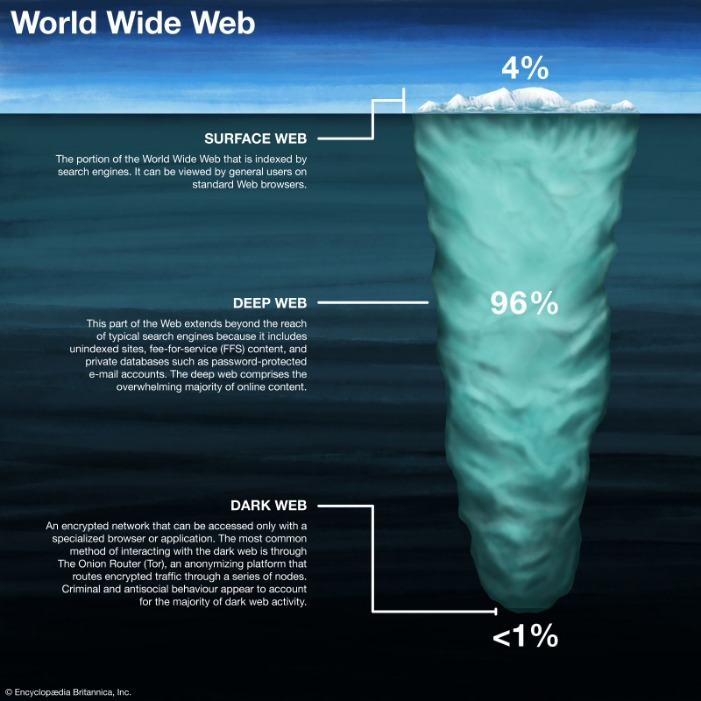
The deep web rests below the surface and accounts for approximately 90% of all websites. Your connection also may be encrypted but if you do something like send an email from your personal account, then anyone with access to your inbox will know that you were online at that time. But it can’t stop you from entering personal information on websites to say where you are.
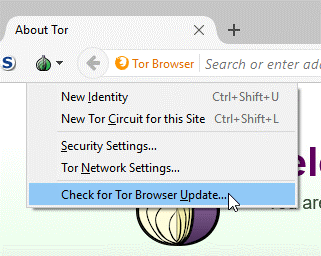
- Download and Install Tor Browser: The Tor network is the most common way to access the Dark Web. This browser anonymizes your web traffic by routing it through multiple servers.
- Use a VPN: While Tor provides anonymity, using a Virtual Private Network (VPN) adds an extra layer of security by masking your IP address.
- Access .onion Sites: Websites on the Dark Web usually have a .onion domain. You can only access these sites using the Tor Browser.
- Practice Safe Browsing: Avoid providing personal information, clicking on suspicious links, or downloading unverified content.
Common Uses of the Dark Web
The Dark Web serves various purposes, including:
- Communications for Activists and Whistleblowers: It allows individuals to share information without fear of government surveillance.
- Forums and Marketplaces: Some sites sell goods and services that challenge legal boundaries, hence the need for anonymity.
- Privacy Protection: For those in oppressive regimes, the Dark Web is an outlet for expressing opinions freely.
Risks of Accessing the Dark Web
While accessing the Dark Web can offer benefits, it comes with risks:
- Exposure to Illegal Content: Users might encounter disturbing or illegal materials unwittingly.
- Scams and Fraud: Many transactions may involve scams, leading to loss of money or personal data.
- Legal Consequences: Engaging in illegal activities can have serious legal implications.
- Security Vulnerabilities: Users may unknowingly expose their systems to malware or hacking attempts.
FAQs about Accessing the Dark Web
1. Is it illegal to access the Dark Web?
No, accessing the Dark Web is not illegal. However, engaging in illegal activities on the Dark Web is against the law.
- By utilizing custom software to infiltrate and analyze activity, this has allowed law officials to discover user identities of patrons and bystanders alike.
- Initially designed for secure military communications, it evolved into a broader tool for online anonymity, later expanding to public use with the Tor network.
- Our editors will review what you’ve submitted and determine whether to revise the article.
- This stops online criminals from eavesdropping on your Wi-Fi connection and intercepting any data you might be sending or receiving.
- It is common knowledge that the government strictly monitors the dark web.
2. Can I access the Dark Web without using Tor?
While Tor is the most common method, there are alternative networks, but they are less reliable and secure.
- Results load quickly, allowing fast navigation between sites
- You can also increase the level of safety in the overlay network settings itself, which in turn disable certain website functionality.
- That means that Google wants to minimize the amount of time users spend searching for certain queries.
- For example, you can join a chess club or BlackBook, a social network described as the “the Facebook of Tor.”
- It disables JavaScript and other potentially risky web features for maximum security.
- Data brokers such as LocalBlox for instance crawl the web and store information about business and consumers to sell for marketing purposes.
3. Do I need special hardware to access the Dark Web?
No special hardware is required; a standard computer with internet access is sufficient.
4. How can I stay safe while browsing the Dark Web?
Using a VPN, avoiding sharing personal info, and being cautious about the sites you visit are key steps to stay safe.
In conclusion, accessing the Dark Web can be beneficial if approached with caution and respect for legal boundaries. Understanding the tools and practices for safe navigation ensures a more secure experience in this hidden part of the internet.