The internet is a vast and complex space, filled with numerous layers of information and accessibility. Among these layers lies a unique segment known as the dark web, which is often accessed through specific browsers that enable users to navigate anonymously. One of the key components of this dark web is the use of .onion links, which serve as portals to websites that are not indexed by traditional search engines.
.onion Link
A .onion link is a special type of internet address that can only be accessed using the Tor Browser. This browser encrypts user data and masks their IP addresses, providing a higher level of anonymity. Websites ending with .onion are specifically designed to operate on the Tor network and typically host content that prioritizes privacy and security.
- A sweet onion will produce sweet and mild results, while red onions will produce more potent results.
- I prefer to plant onions from seed as that allows me to choose from the wide range of varieties available in seed catalogs.
- Holbrook Working published a study in 1960 which argued that price volatility declined after the futures market for onions was introduced in the 1940s.
- This dark web monitoring will help you track illicit activities and minimize the risks of cyber-attacks.
However, under the surface, they can provide total anonymity. Some markets are relatively short-lived (thanks to law enforcement), but others are notorious enough that they survive, for instance, Silk Road, AlphaBay, and Hansa. Instead, they are designed using a cryptographic key and can be accessed only through software like the Tor browser. Onion links have no regular domain names registered under the domain name registry. The Dark Web is the part of the deep web that is not indexed by search engines, like Google or Bing. These search engines work best if you already know what site you’re looking for, not for general browsing.
How .onion Links Work
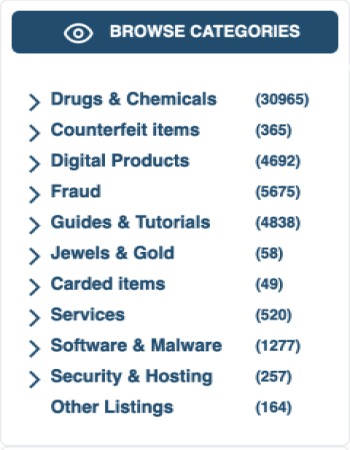
Unfortunately, many dark web websites are devoted to the illegal trade of leaked personal information. Dark web websites won’t show up on Google, but they are indexed by dark web search engines such as Torch. Onion sites, or dark web websites, are sites on the dark web that can typically only be accessed using special software like the Tor browser. That’s why it’s important to verify links through trusted directories and proceed with caution.
It achieves anonymity through Garlic Routing, a more complex method than Tor’s Onion Routing, and hosts its own naming conventions called Eepsites (an eepsite is I2P’s equivalent of a Clearnet or .com website). There are many anonymous/encrypted overlay networks hosting dark web links (darknets). When you go to the regular site, Tor Browser will show a purple pill in the address bar that says .onion available. These communities often verify the operational status of links, saving you the time and risk of hitting phishing sites or malware traps.
- They soon changed course and convinced onion growers to begin purchasing their inventory by threatening to flood the market with onions if they did not.
- Even though DuckDuckGo is the Tor browser’s default search engine, it doesn’t index dark web websites, which means you won’t be able to find .onion sites with it.
- It lists over one billion .onion pages, so you’ll definitely find the pages you’re looking for.
- When you use the Tor browser, it adds several layers of encryption — like an onion.
- It has developed & maintains a dedicated Verified Onion service which allows users to access their encrypted email accounts over the TOR network, allowing for the highest possible level of security for their Protonmail email accounts.
When users enter a .onion link, the request is routed through multiple servers, making it difficult to trace back to the original source. This method of routing ensures that both the users and the web services they are connecting to remain anonymous. .onion links can be created easily, which allows anyone to set up a website on the Tor network, resulting in a diverse variety of content.
Types of Content on .onion Sites
While many associate .onion links with illegal activities, the reality is that they serve a myriad of purposes. Users can find forums, blogs, whistleblower platforms, and other types of websites focused on free speech and privacy. Additionally, organizations and journalists use .onion links to communicate securely with sources while protecting their identities.
Accessing .onion Sites
To access .onion links, users must download the Tor Browser, which is specially designed to handle the unique routing system of the Tor network. Once installed, users can easily navigate to .onion sites by entering the address into the browser's address bar. Caution is advised, as some sites may contain malicious content or illegal information.

The Importance of Anonymity
The primary attraction of .onion links lies in their commitment to privacy and anonymity. For individuals living in oppressive regimes, these links provide a vital means of communication and access to information that might otherwise be restricted. By utilizing .onion links, users can evade censorship and ensure their online activities remain confidential.
Conclusion
In conclusion, .onion links offer a unique glimpse into the more hidden parts of the internet, emphasizing the importance of privacy and protection in the digital age. While navigating these links involves certain risks, they also empower users by providing a platform for secure communication and access to unfiltered information. Understanding .onion links is crucial for anyone interested in exploring the depths of online anonymity.