The .onion dark web represents a hidden segment of the internet, shrouded in anonymity and often associated with illicit activities. While it is often viewed with suspicion and intrigue, the .onion domain offers more than just a gateway to shady dealings; it serves as a platform for privacy-focused communication and is home to communities advocating for free speech. Understanding the .onion dark web requires navigating through its complexities and recognizing both its potential benefits and the risks involved.
- Best for analysts who want accurate, verified, and easy-to-navigate onion listings without needing to sift through endless unsafe pages.
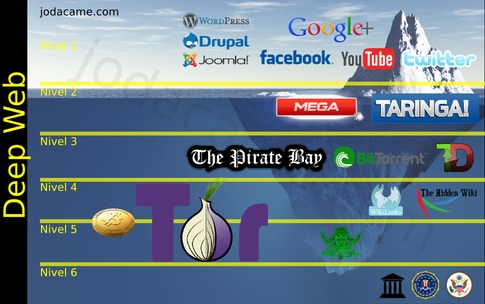
- With only about 4 percent of all online content freely accessible (making up the surface web), the remainder is tucked away in the deep web.
- Tor enables its users to surf the Internet, chat and send instant messages anonymously, and is used by a wide variety of people for both licit and illicit purposes.
- Instead of finding a direct path from your computer to your destination site, onion routing chooses a random series of relays, or nodes, on the Tor Network to pass your traffic through.
While onion services are often discussed in terms of websites, they can be used for any TCP service, and are commonly used for increased security or easier routing to non-web services, such as secure shell remote login, chat services such as IRC and XMPP, or file sharing. They are unlisted by design, and can only be discovered on the network if the onion address is already known, though a number of sites and services do catalog publicly known onion addresses. These dark web sites created with Tor are also known as onion service or hidden services, alluding to how they depend on Tor’s onion routing protocol, and how they can remain hidden by never having their IP address, or location, revealed. For new users, starting with a vetted list like the one found on Torlinks provides a much safer introduction to exploring legitimate onion sites and dark web websites without the immediate exposure to extremely risky content.
Understanding the .onion Dark Web
Although the social application is known for collecting data on its platform, it does not like sharing the information with others. Many social media platforms keep their presence on the dark web, and it is no surprise that Facebook has a .onion portal. It features communities (similar to Reddit’s subreddits) for specific topics that moderators and administrators run. Its mission of open access is debated within academic and publishing communities. It contains millions of scientific research documents from around the world.
The .onion domain is accessed through the Tor network, which allows users to browse the internet anonymously. Unlike the surface web, sites with a .onion extension are not indexed by traditional search engines, making them less accessible to the average user. This layer of anonymity attracts individuals seeking privacy for various reasons—be it political dissent, privacy protection, or even the pursuit of activities that are against the law.
Safety and Security Considerations
Navigating the .onion dark web necessitates a strong understanding of safety protocols. Users risk encountering harmful content, scams, or legal repercussions. Employing a robust VPN and maintaining good cybersecurity practices can mitigate some risks. Additionally, accessing the .onion dark web does not mean one should abandon common sense; caution should be exercised when sharing sensitive information or engaging with unknown entities.
Legitimate Uses of the .onion Dark Web
Despite its reputation, the .onion dark web also hosts numerous legitimate projects. Whistleblowers and journalists may use it to communicate securely, while others may rely on it to discuss sensitive topics without fear of retaliation. For activists in oppressive regimes, the .onion dark web can enable essential discourse and information sharing.
Exploring the .onion Ecosystem
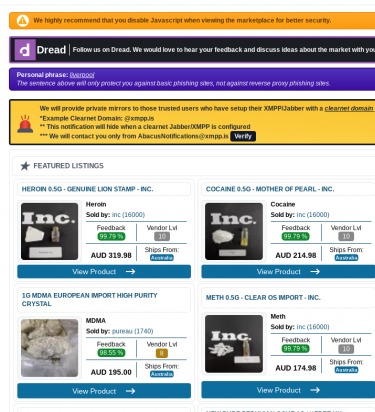
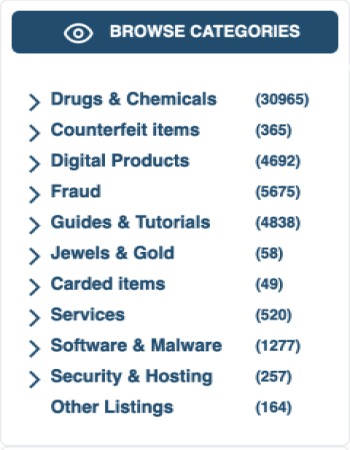
Within the .onion dark web, myriad sites cater to various interests. From forums discussing technology and hacking to marketplaces where goods and services, often illegal, are exchanged, users can find almost anything. However, a significant portion of this ecosystem is dedicated to nefarious activities, including drug trafficking and weapons sales, making it essential for users to approach the .onion dark web with caution and purpose.

Staying Informed About the .onion Dark Web
With the landscape of the .onion dark web constantly evolving, staying informed is crucial. Numerous online resources and forums discuss recent developments, security tips, and the latest in dark web trends. Engaging with these communities can provide insights into safely navigating the complexities of the .onion dark web.
In conclusion, while the .onion dark web can be a source of both fascination and fear, it is imperative to approach it with knowledge and caution. By understanding its dual nature as a haven for both freedom and crime, users can make informed choices about their online activities.