You can access encrypted email services through the onion site without getting tracked. Ahmia also discourages access to illegal content and promotes safer internet practices. Using DuckDuckGo over Tor will also let you see onion sites and normal pages in your search results.
The emergence of the dark web has introduced a unique segment of the internet, characterized by anonymity and privacy. At the heart of this elusive realm are .onion links, which serve as gateways to various hidden services. These links are an integral part of the Tor network, providing users with a means to access websites that are not indexed by traditional search engines. This article will delve into the fascinating world of .onion links, discussing their purpose, functionality, and implications for users.
The citation read, "Using free software, Tor has enabled roughly 36 million people around the world to experience freedom of access and expression on the Internet while keeping them in control of their privacy and anonymity. Its network has proved pivotal in dissident movements in both Iran and more recently Egypt." Critics say that Tor is not as secure as it claims, pointing to U.S. law enforcement's investigations and shutdowns of Tor-using sites such as web-hosting company Freedom Hosting and online marketplace Silk Road. Tor executive director Andrew Lewman said that even though it accepts funds from the U.S. federal government, the Tor service did not collaborate with the NSA to reveal identities of users.
Onion Links
- Built in 2019 by anonymous activists, Excavator would be an extremely deep digger into the onion content, trying to be open for everything.
- These deepweb links use multiple layers of encryption to protect user anonymity and enable access to onion sites that aren't indexed by traditional search engines.
- AVG Secure VPN masks your IP address from other internet users, the websites you visit, and even government surveillance.
- Although the underground internet world is rife with everything bad, it also hosts positive elements.
- Pitch is a dark web-based Twitter/X alternative, providing a secure platform for anonymous discussions and information sharing.
.onion links are a specific type of web address used within the Tor network. Unlike standard URLs, these links are designed to maintain the anonymity of both users and website operators. This is achieved through multi-layer encryption, which is reflected in the term "onion," symbolizing the layers of encryption that protect the data being transmitted.
For maximum safety and anonymity—a critical step that follows our PS SOP—you must use a VPN in tandem with Tor. Streaming service violations (download, etc.) or violations related to certain types of political speeches could be subject to very different interpretations based on where you live. Depending on where you’re located, the legality related to specific types of content may vary greatly. Tails OS isn’t really a network; however, it is a Linux OS and runs “live” from an external USB device.
How Do .onion Links Work?
To access a .onion link, users must employ the Tor browser, which facilitates the connection to the Tor network. When a user attempts to visit a .onion site, their request is encrypted and routed through several randomly selected servers (known as nodes) in the Tor network. This process effectively conceals the user's real IP address and location from potential prying eyes. Websites with .onion domains are typically only accessible through the Tor browser, making them invisible to standard internet users.
Content and Services Available through .onion Links
- In addition, SearX transmits search queries using HTTPS POST requests, which helps prevent servers from recording or logging user data.
- That means they're essentially hosting a site on Tor's network, so that you can visit through the TorBrowser and your traffic remains encrypted all the way to its destination, with no need to trust an exit node.
- Facebook’s dark web version allows users to access the site where it is banned or restricted.
- Like the BBC and ProPublica, this service is a testament to the Dark Web’s ability to facilitate unrestricted information flow.
- It is essential to verify the links posted on it before you visit any, always.
- A random dark web link can lead you to malicious software, phishing sites, and illegal content.
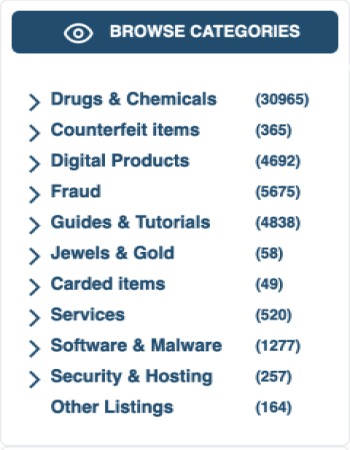
The content accessible on .onion sites varies widely. It includes forums, marketplaces, and various communication platforms that prioritize user privacy. Some of the more common categories of .onion links include:

- Anonymous forums and discussion boards
- Marketplaces for goods and services, including legal and illegal items
- Whistleblowing platforms, allowing safe reporting of corporate or government misconduct
- Privacy-oriented search engines

While many .onion links host legal activities, it's essential to note that illicit content also thrives on the dark web. Users should navigate cautiously, as onion links can potentially lead to harmful or illegal information.
Security and Privacy Concerns
The anonymity provided by .onion links has both positive and negative implications. On one hand, it fosters an environment where individuals can express dissenting opinions, share information, and remain safe from surveillance. On the other hand, this same anonymity can be exploited by malicious actors engaging in cybercrime, trafficking, or other nefarious activities. As a result, users must exercise vigilance and employ strong security practices when exploring .onion sites.
Conclusion
.onion links are an intriguing aspect of the digital landscape, offering both privileges and perils related to privacy and security. By enabling anonymous access to various services, these links have transformed how information and commerce operate on the internet. However, the dark web also presents challenges that require users to maintain a level of caution. Whether seeking knowledge or engaging in secretive communication, understanding the nature and functionality of .onion links is essential for anyone navigating this hidden part of the web.