The dark web is a part of the internet that is not indexed by traditional search engines, making it a hidden and often misunderstood realm. Many people associate the dark web with illicit activities, but it also hosts communities, forums, and resources for those who value privacy and anonymity. Understanding how to browse the dark web can provide insights into both its positive and negative aspects, allowing users to navigate this unique digital landscape safely.
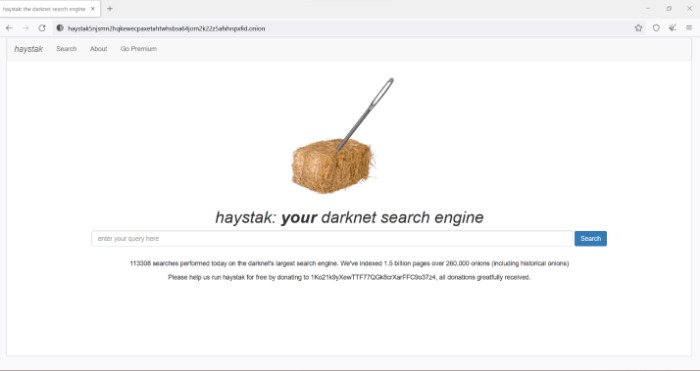
The dark web cannot rely solely on crawling in the same way the surface web is — indexes are sometimes added to dark web search engines manually by the site operator, too. Regardless of which dark web search engine you use, it’s extremely important to exercise caution when using a dark web search engine. Earlier versions of .onion sites contained 16, rather than 56, characters.
The internet we use daily for browsing Google, social media, or news sites is just the surface web, a small… Other tools that people use include encrypted email, such as ProtonMail, and more advanced users may consider secure operating systems such as Tails. You will have to use dark web-specific search engines, or find a dark web aggregator or wiki that offers lists of .onion link listings. That is why it is highly recommended to use a VPN along with Tor if you must go onto onion websites. The dark web hosts a wide spectrum of content, from secure communication tools for journalists to illegal marketplaces selling illicit goods. The dark web is a small but unique part of the internet that can provide anonymous browsing, communication, and other accessibility.
- And before you dive in, we’ll explain how to use Tor to access the dark web.
- It includes media and archives which cannot be crawled and indexed with current search engine technology.
- 4️⃣ Launch Tor Browser; if you’re behind a firewall, choose obfs4 bridges.
- In addition, Tor and VPNs take different approaches to rerouting data.
Browse Dark Web
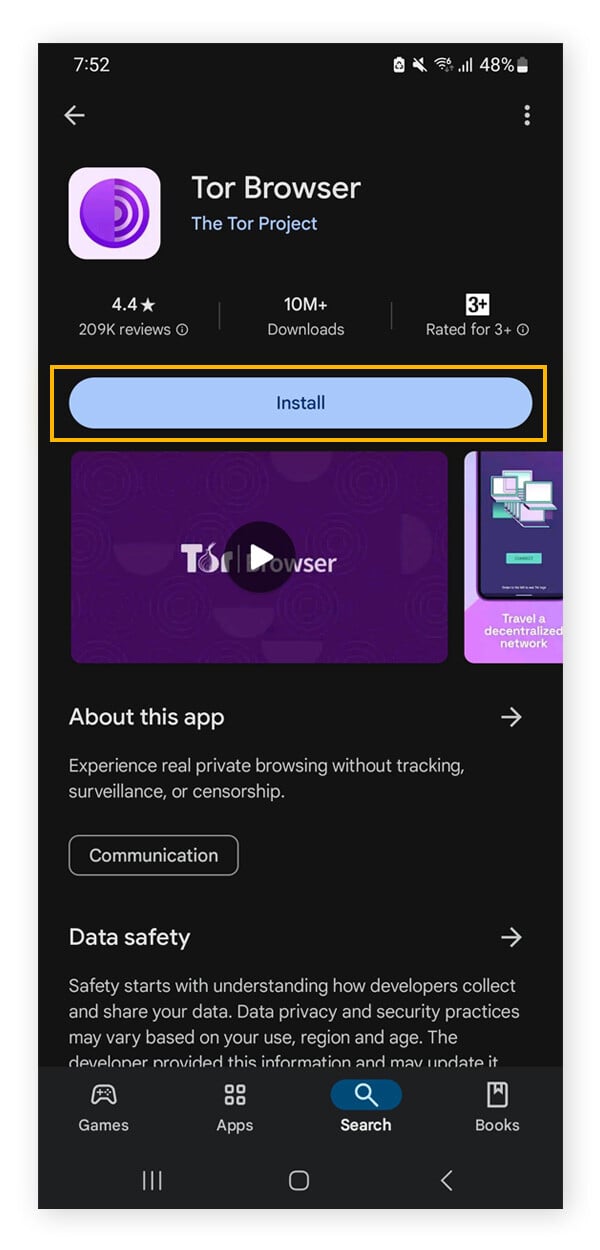
To browse the dark web, one must use specialized software that enables anonymity, such as Tor (The Onion Router). This browser routes internet traffic through a series of volunteer-operated servers, masking the user's IP address and location. It is essential to download the official Tor Browser from the https://www.torproject.org(https://www.torproject.org) website to ensure security and functionality.
Accessing Dark Web Sites
- Tor is a network of volunteer relays through which the user’s internet connection is routed.
- Orbot is free, open source, and can even replace your VPN, if you don't mind slower browsing speeds.
- The best VPNs will anonymize your browsing by encrypting the connection between your device and the VPN provider.
- It's a part of the internet that's less regulated and more shadowy, for better and for worse.
Most websites on the dark web use the .onion domain, which is accessible only through the Tor Browser. To browse the dark web, users should be cautious about the links they follow. Some websites can be dangerous or illegal, so due diligence is necessary. Many resources are available to help users find reputable dark web sites, including forums and directories that categorize links based on content.
Safety Measures When Browsing
When you browse the dark web, maintaining privacy is crucial. Here are some tips to enhance security:
- Use a VPN in addition to Tor to add an extra layer of anonymity.
- Never share personal information or credentials on dark web sites.
- Be cautious of downloading files as they can contain malware.
- Regularly update your software to protect against vulnerabilities.
Legal Implications
While not all content on the dark web is illegal, much of it falls into gray areas of the law. It is vital to understand that browsing the dark web itself is not illegal, but engaging in illegal activities can lead to severe legal consequences. Users should familiarize themselves with laws in their region to ensure compliance while exploring.
Positive Aspects of the Dark Web
Despite its notorious reputation, the dark web can serve beneficial purposes. It offers a platform for free speech, particularly in oppressive regimes where access to information is restricted. Activists, journalists, and whistleblowers often use the dark web to share sensitive information securely, highlighting its potential for positive impact.
Conclusion
Ultimately, browsing the dark web requires a balance of caution and curiosity. With the right tools and an understanding of the risks involved, users can explore this hidden segment of the internet while prioritizing their safety. Remember that the dark web is a complex environment, and skepticism is your ally as you navigate its uncharted territories.