Dark markets represent a unique and often misunderstood facet of the internet, where anonymity and illicit trade intersect. In the heart of Europe lies Liechtenstein, a small yet significant player in this shadowy realm. As regulations in the cryptocurrency landscape tighten, and the global financial environment evolves, understanding dark markets Liechtenstein becomes increasingly essential.
- Human rights and civil liberties are largely respected, with no significant risks of criminal influence over political processes.
- The government of Liechtenstein taxes personal income, business income and principal (wealth).
- That all is for general internet activities, you can guess how crucial having a VPN is when you hop onto something like the dark web.
- These "credential dumps" allow criminals to access online accounts, steal identities, and commit fraud.
- Additionally, users should always exercise caution when accessing and using darknet markets, and take steps to protect their personal information.
Dark Markets Liechtenstein
It trades in hacked bank accounts, stolen credit card information, and other services that facilitate cryptocurrency laundering. In fact, everything is in English, and the site picks up users everywhere in the world. Hidden services can operate while keeping the physical location of the server hidden, which makes tracking and shutting them down considerably more challenging. Tor, short for “The Onion Router,” routes internet traffic through a global network of volunteer-operated servers to anonymize a user’s online activity. Buy Pills and research chemicals,weed,Online from The Deep web market because our products are of the best quality from FDA Approved facilities.
Using a reliable VPN provider helps keep you safe when you access marketplaces on the dark web. The first category includes classic marketplaces, which serve as one-stop shops for a wide range of illegal goods. Some markets are invite-only or have strict registration rules to keep out scammers and law enforcement. Therefore, as long as this dark part of the internet exists, these marketplaces will flourish and emerge. Even with the increase in law enforcement pressure, the dark web market still achieved a revenue of $2 billion in 2024. Despite Telegram’s anonymity, the dark web is still a hot spot for illegal trading of malware, illicit goods, and stolen data (such as stolen credit card information).
Liechtenstein, known for its robust banking sector and favorable legal framework, has become an intriguing location for those interested in dark markets. These platforms operate outside the realm of conventional commerce, offering a myriad of illegal goods and services. This article explores the nature of dark markets in Liechtenstein, their implications, and the ongoing efforts to combat them.
Characteristics of Dark Markets in Liechtenstein
- Anonymity: Users utilize various methods to protect their identities, such as cryptocurrencies and VPNs.
- Escrow Services: Many dark markets employ escrow systems to facilitate transactions safely.
- Diverse Offerings: From illegal drugs to counterfeit goods, the selection is vast.
- Peer-to-Peer Interaction: Transactions are often made directly between users, bypassing traditional commercial structures.
Challenges and Risks
The involvement in dark markets Liechtenstein is not without its dangers:
- Legal Repercussions: Participating in illegal activities carries significant legal risks.
- Scams and Fraud: Users frequently face scams, with no recourse for recovery.
- Exposure to Malware: Visiting dark market sites can introduce harmful software.
Regulation and Law Enforcement
The government of Liechtenstein has shown a commitment to regulating its financial sector in response to increasing global scrutiny. Efforts include:
- Collaborating with international law enforcement agencies to tackle cybercrime.
- Implementing stringent KYC (Know Your Customer) regulations in traditional banking.
- Promoting awareness around cybersecurity among residents and businesses.
FAQs about Dark Markets Liechtenstein
What are dark markets?
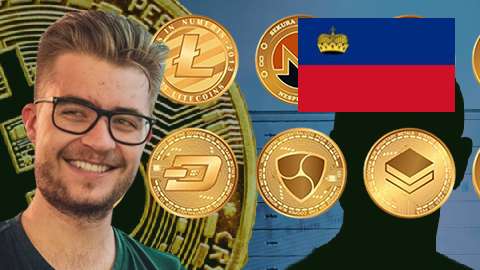
Dark markets are online platforms that facilitate the sale of illegal goods and services, often leveraging anonymity technologies.
Are dark markets legal in Liechtenstein?
Participation in dark markets is illegal, and engaging in transactions can lead to serious legal consequences.
How does law enforcement address dark markets in Liechtenstein?
- However, it’s worth noting that markets specializing in other illicit goods also bring in sizable funds.
- Despite growing crackdowns from law enforcement agencies, the dark web remains a hotbed of criminal activity, offering everything from drugs to stolen data.
- The Liechtenstein National Police is the country’s single police force and has many law enforcement units specifically focused on corruption and money laundering.
- The United States Senate's subcommittee on tax haven banks said that the LGT bank, owned by the princely family, and on whose board they serve, "is a willing partner, and an aider and abettor to clients trying to evade taxes, dodge creditors or defy court orders".
- A state's legal action and structures put in place to respond to organized crime.
- The international raid, dubbed “RapTor”, dismantled networks trafficking drugs, weapons and counterfeit goods.
Law enforcement agencies collaborate internationally to monitor and shut down dark market operations.
What measures can individuals take to protect themselves while online?
Using secure connections, being skeptical of unverified sites, and maintaining privacy can enhance online safety.
The landscape of dark markets Liechtenstein presents both dangers and insights into the shadows of the digital economy. As the world continues to grapple with the implications of such markets, staying informed and cautious is more crucial than ever.