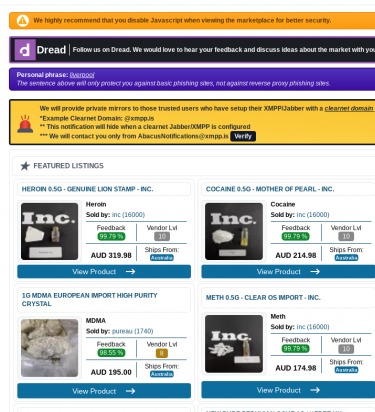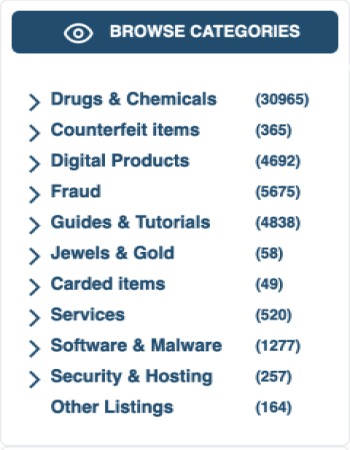
The concept of the darknet has continually evolved, presenting both opportunities and threats within the digital landscape. As we look towards 2026, the darknet market is expected to undergo significant transformations due to advancements in technology, changes in regulations, and shifts in user behavior. This article delves into key aspects of the 2026 darknet market, exploring its features, risks, and what individuals should be aware of.
2026 Darknet Market
- BreakingBad discusses dead-drops in an apparent effort to promote them across Western markets, which has carried over into Bazaar itself — which offers postal delivery and dead-drops.
- In Africa, there is evidence of the growing role of cryptocurrency for ISIS affiliates, particularly in Nigeria and Somalia.
- This allowed investigators to map customer networks across darknet markets, hacking communities, and other criminal ecosystems — collecting evidence under controlled conditions.
- Cyble’s platforms, such as Cyble Vision, monitor the dark web for emerging threats, providing real-time insights to protect organizations from cybercrime.
- Buyers must remain vigilant and educate themselves about common scams to avoid falling victim to malicious actors.
- If financial results fail to meet high expectations, the stock market could decline sharply.
The aforementioned Tor browser has established itself as the go-to browser for accessing the Dark Web. But if we focus solely on the Dark Web, stats show its history dates back to 2000, when Ian Clarke released Freenet, his thesis project. In that sense, the history of the Deep Web is as old as the history of the internet. Despite being much talked about in recent years, darknet stats from a January 2023 survey reveal that 7 out of 10 people in select countries don’t understand what the Dark Web is or how it works. This includes everything from academic papers and government documents to private, password-protected data like online banking, medical records, and email accounts.
However, as a consistent and observable baseline, available liquidity provides a more stable and economically meaningful context for assessing illicit activity than total blockchain volume alone. Illicit actors are constrained not by transaction counts, but by access to transferable value that can fund operations, payments, and downstream networks. This approach reflects our view that illicit risk is better understood relative to available liquidity than to aggregate blockchain activity.
As the darknet market emerges in 2026, several defining characteristics can be anticipated:
Technological Advancements
- In other words, history says the S&P 500 will fall 18% at some point in 2026 and the index will finish the year roughly unchanged.
- TRM data indicates a clear shift in how threat actors move funds after receiving payments, with increasing preference for cross-chain mechanisms that offer flexibility in routing and access to new liquidity venues.
- Reputation scores and user feedback guide buyer decisions in the absence of real-world verification.
- Independent verification remains limited due to the market’s relatively recent appearance.
- Altenen is a lesser-known but highly active dark web forum focused on credit card fraud and other forms of financial crime.
- Decentralization: The 2026 darknet market may see greater decentralization through blockchain technology, reducing the ability of authorities to shut down operations.
- Improved anonymity: Enhanced encryption methods and privacy coins will likely make transactions even harder to trace, attracting a more diverse user base.
- AI Integration: Artificial intelligence could play a role in monitoring transactions for fraudulent activities, impacting seller and buyer behaviors.
Trends In User Behavior
With advancements in technology, user behavior is expected to evolve:
- Increased privacy concerns: Users will likely seek platforms that emphasize data security and anonymity.
- Shift towards niche markets: The focus may shift toward specialized goods and services, catering to specific interests or needs.
- Collaboration and community: Forums and communities may form around certain products, aiding in reputation building and trust among users.
Risks and Regulations
With changes in the 2026 darknet landscape, the potential risks and regulatory environment will also evolve:
- Legal repercussions: Governments worldwide are more likely to establish strict regulations, leading to increased risks for users engaged in illicit activities.
- Scams and deception: As the market grows, so will the potential for scams, requiring users to remain vigilant and informed.
- Data breaches: With increased reliance on technology, the potential for major data breaches may escalate, compromising user anonymity.
Frequently Asked Questions (FAQs)
What can I buy on the 2026 darknet market?
The 2026 darknet market may offer a variety of illicit goods and services, ranging from drugs and counterfeit items to hacking services and illegal firearms. However, the focus is likely to shift toward more niche offerings.
Is using the darknet legal?
While accessing the darknet itself is not illegal, engaging in illegal activities or purchasing illicit goods is against the law and subject to prosecution in many jurisdictions.
How can I stay safe while navigating the 2026 darknet market?
Users should employ robust security measures, including using reliable VPNs, practicing strong digital hygiene, and thoroughly vetting marketplaces and vendors.
In conclusion, the 2026 darknet market presents a fascinating landscape shaped by technology and user behavior. Whether it be advancements in decentralization, evolving user expectations, or the rise in regulatory scrutiny, users must navigate this terrain with knowledge and caution. Understanding these developments will be essential for anyone interested in the darknet market of the future.